A carton arrives with the centre seam open and the tape curled back on itself. The natural conclusion is that the tape was weak. Usually it was not. Tape lifting at the flap has a small number of causes, and each one leaves a different fingerprint — so before changing supplier, look at what the failed tape actually did.
1. The adhesive pulled fibre off the board
Peel the tape back and look at the sticky side. If it is carrying a fuzz of brown paper fibre, the tape worked. The board failed. This is common with heavily recycled corrugated, where the outer liner is weak and simply tears away before the adhesive lets go.
Nothing about a stronger tape fixes this — a more aggressive adhesive just removes more fibre. What helps is more tape area: go up a width, or run an H-seal instead of a single centre strip so the load is spread across the flap edges rather than concentrated on one line.
2. The adhesive is clean — so it never bonded
If the sticky side comes back clean and still tacky, the tape never made contact properly. Three usual culprits: dust on the board, a cold surface, or not enough pressure at application. Acrylic adhesive in particular needs pressure and a little time; it is a pressure-sensitive adhesive, and the pressure part is not optional.
- Check the wipe-down roller or brush on the taping head — a worn one applies almost no pressure
- On a cold or dusty line, a hotmelt tape will grab where an acrylic will not
- Cartons taped and immediately stacked under weight bond better than ones left loose
3. The carton is overfilled
An overfilled box pushes its flaps apart constantly. The tape is not holding a seam; it is resisting a spring. Even a correctly chosen tape will eventually creep under that, and it will creep faster in heat. If the tape lifts from the centre outwards rather than from the ends, suspect this first.
4. The micron is too low for the job
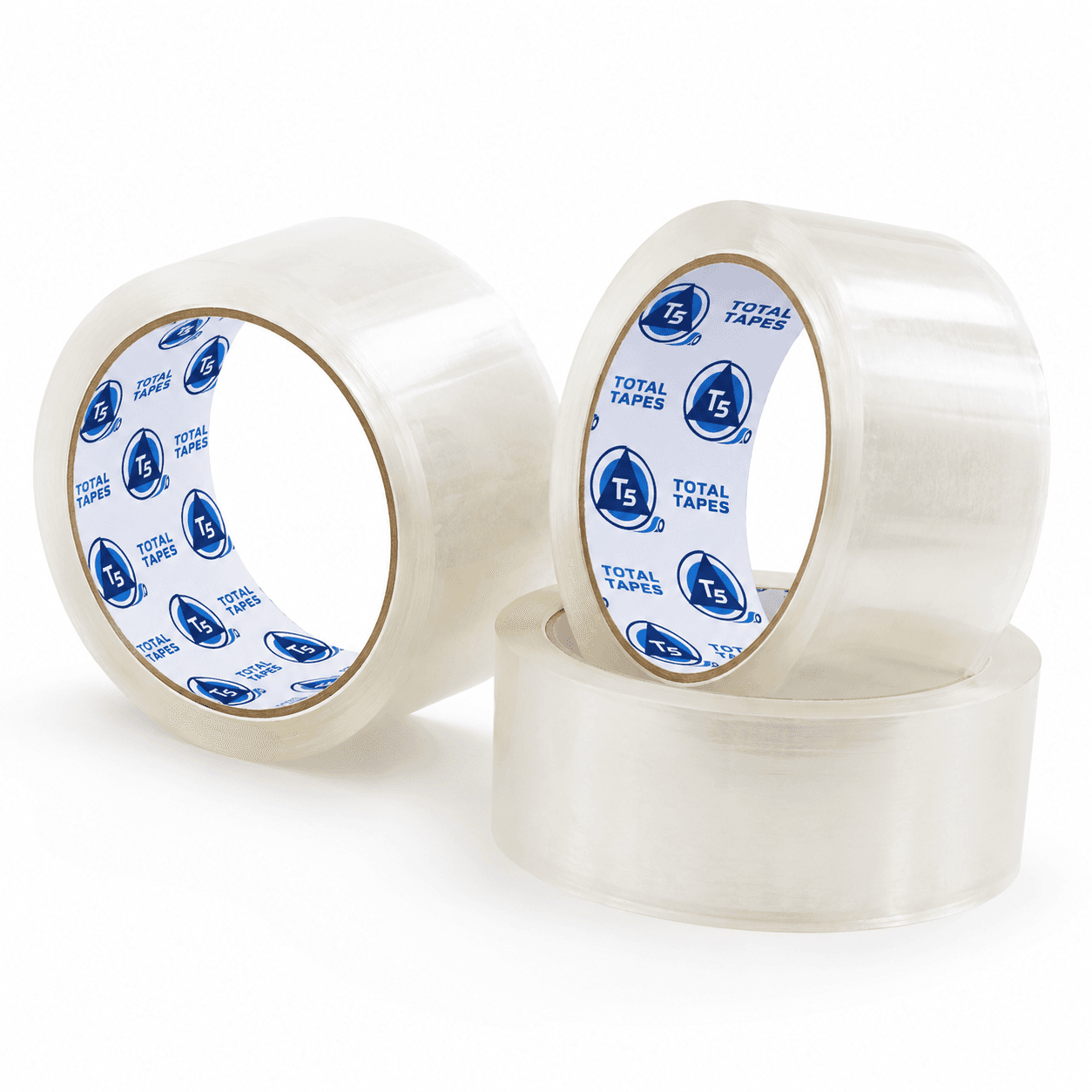
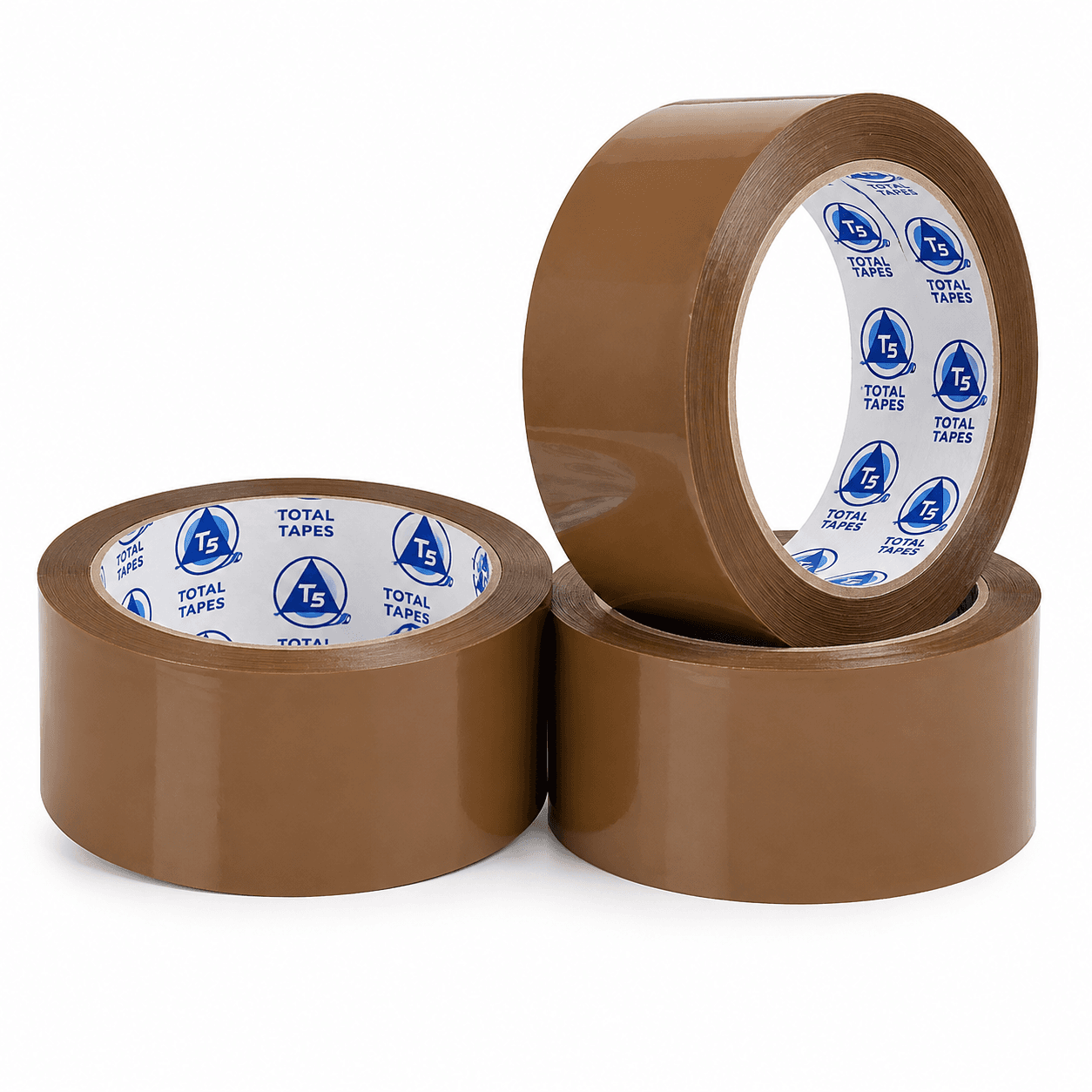
Our transparent and brown BOPP tapes run 38 to 52 micron. The thinner end is fine for light cartons and short transit. For heavy cartons, long-distance transit or stacked pallets, the thicker end — or a reinforced tape entirely — is the right answer. Buying the thinnest tape available and then using twice as much of it is a false economy that shows up as exactly this failure.
5. It is the wrong tape for a woven sack or FIBC
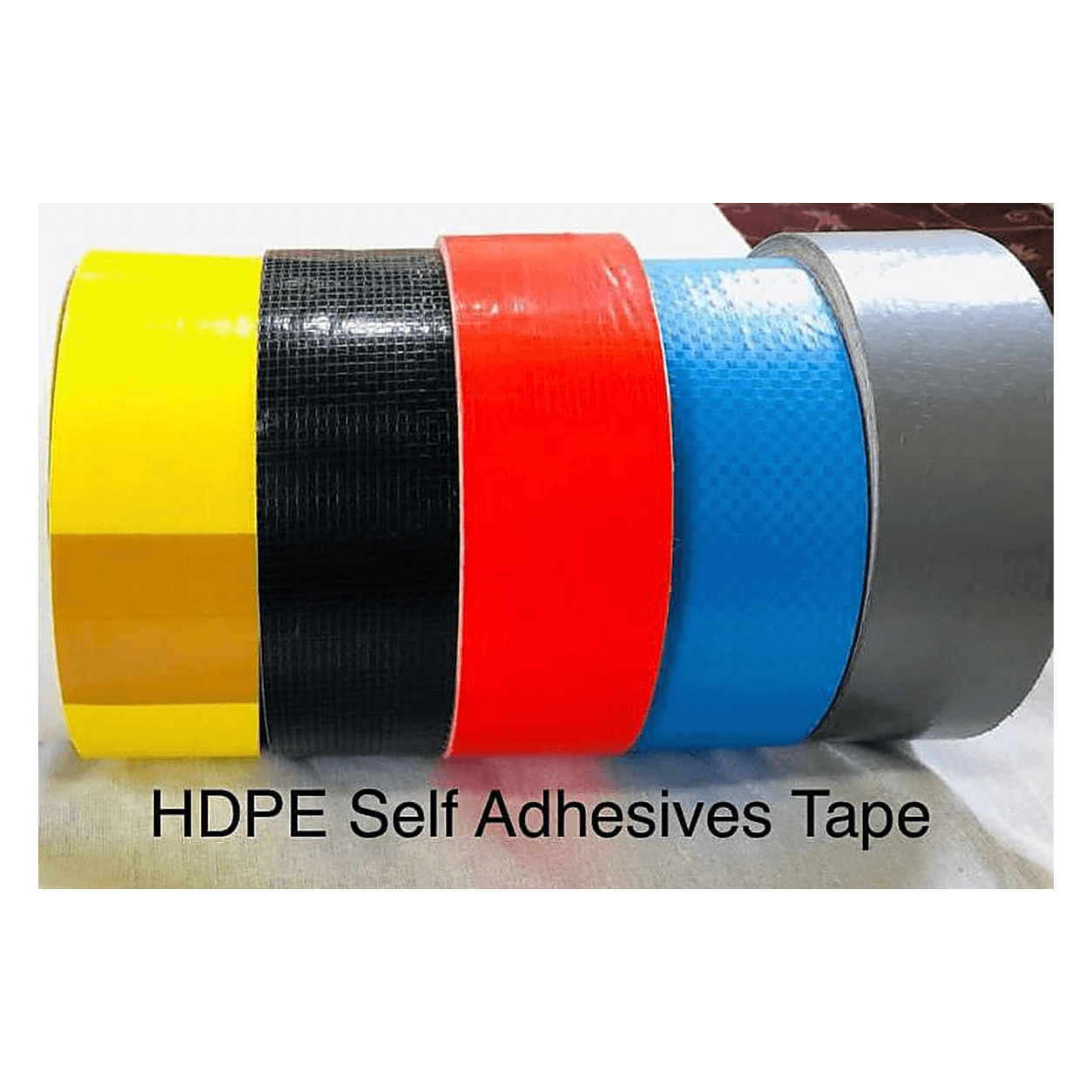
BOPP tape on woven polypropylene is a losing battle — the surface is low-energy and textured, and standard carton tape will not hold it. HDPE fabric tape exists precisely for this: a woven reinforced backing meant for sack and jumbo-bag repair. If your lifting problem is on a sack rather than a carton, this is the whole answer.
A two-minute diagnosis
Peel a failed piece back and look at the adhesive. Fibre on it means the board gave way — use more area. Clean and tacky means it never bonded — fix pressure, dust or temperature. Stretched and curled from the centre means the carton is overfilled.
Ask on WhatsApp →